
Baba Ganoush: The Smoky Eggplant Dip That’s Often Confused With Its Own Cousin

Country of origin: Levant (with widely shared claims across the broader Arab world)
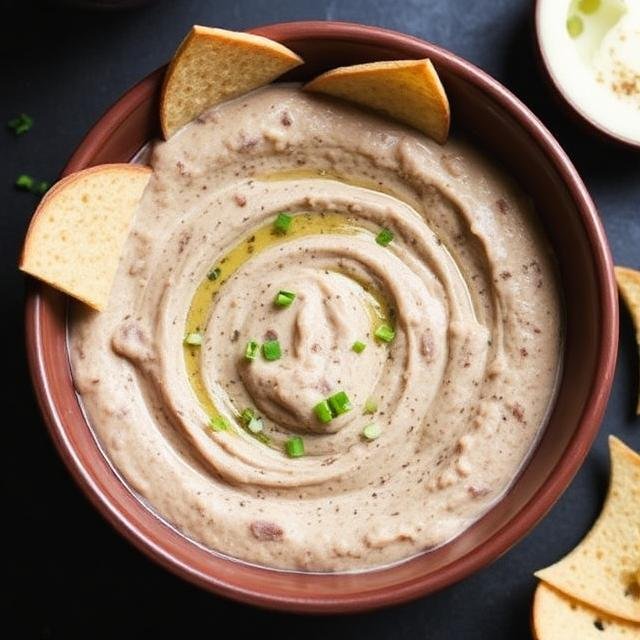
This round’s pick is baba ganoush — a smoky, creamy eggplant dip made from charred eggplant blended with tahini, garlic, and lemon juice. It’s one of the most internationally recognized Middle Eastern dips alongside hummus, but it’s also one of the more commonly mislabeled dishes outside the region, frequently confused with, or used interchangeably for, a closely related but technically distinct dish called moutabal.
A Name With a Debated, Slightly Unusual Meaning
The name “baba ganoush” has a somewhat unclear and debated etymology, with several competing explanations circulating for what the phrase actually translates to and why. Some accounts suggest the name relates to a phrase meaning something like “pampered father” or “coquettish father,” possibly a playful or affectionate reference to the dish’s soft, indulgent texture, though other explanations exist as well, and there isn’t full consensus on which interpretation is most historically accurate. This kind of etymological ambiguity is less common among the dishes covered on this blog, most of which have names tied more directly and clearly to an ingredient, technique, or place, making baba ganoush something of an outlier in that respect.
Baba Ganoush and Moutabal: Two Different Dips, Often Treated as One
Outside the Middle East, “baba ganoush” has become something of a catch-all term applied to nearly any eggplant-based dip, but within the region itself, a meaningful distinction is often drawn between baba ganoush and a closely related dish called moutabal (or mutabal). The key difference generally comes down to texture and the ratio of ingredients: baba ganoush traditionally includes more chunky bits of tomato, onion, and pepper mixed through a coarser, less smooth eggplant base, while moutabal is blended into a smoother, creamier consistency with a higher proportion of tahini relative to the eggplant, producing a richer, more homogenous dip closer in spirit to hummus’s smoothness. In much of the Levant, moutabal is actually the more commonly requested and served version at restaurants and mezze spreads, even though “baba ganoush” has become the far more internationally recognized name for both, a naming mismatch that causes real confusion for people trying to order or cook an authentic version of either dish specifically.
Why the Char Matters More Than Any Other Step
Whichever version you’re making, the single most important technique behind a good eggplant dip in this family is properly charring the eggplant before blending, traditionally done directly over an open flame — a gas burner, charcoal grill, or open fire — until the skin is completely blackened and blistered and the flesh inside has turned soft and smoky. This direct-flame charring is what gives both baba ganoush and moutabal their signature smoky depth, a flavor that roasting the eggplant in an oven, while more convenient, doesn’t fully replicate, since oven roasting lacks the direct contact with flame that produces the deeper, more pronounced smokiness associated with a well-made version of either dish. Skipping this step, or substituting a quicker oven-roasting method without adjusting expectations, is one of the most common reasons a homemade version can taste noticeably flatter than a restaurant or family-made one.
The Recipe
Serves 4–6
Ingredients
- 2 large eggplants
- ¼ cup tahini
- 2 tablespoons fresh lemon juice
- 2 cloves garlic, minced
- 2 tablespoons olive oil, plus more for drizzling
- Salt, to taste
- 1 small tomato, finely diced (optional, for a chunkier baba ganoush-style version)
- Fresh parsley, chopped, for garnish
- Pinch of paprika or sumac, for garnish
Instructions
- Char the eggplant. Place the whole eggplants directly over an open gas flame, on a hot grill, or under a broiler set to high, turning occasionally, until the skin is completely blackened and blistered on all sides and the flesh inside feels soft when pressed, about 12–15 minutes total.
- Steam and peel. Transfer the charred eggplants to a covered bowl or a sealed plastic bag for about 10 minutes, which makes peeling easier. Once cooled slightly, peel off and discard the blackened skin, being careful to retain as much of the smoky flavor from the flesh as possible.
- Drain excess liquid. Place the peeled eggplant flesh in a colander or strainer for a few minutes to let excess liquid drain off, which helps prevent a watery final dip.
- Mash or blend. For a chunkier, baba ganoush-style texture, mash the eggplant flesh by hand with a fork, leaving some texture. For a smoother, moutabal-style version, blend it more thoroughly in a food processor.
- Combine. Mix or blend the eggplant with tahini, lemon juice, garlic, olive oil, and salt until well combined.
- Add tomato if using. For the chunkier baba ganoush version, fold in the diced tomato at the end.
- Serve. Transfer to a serving plate, drizzle with olive oil, and garnish with fresh parsley and a pinch of paprika or sumac.
A Note on Draining the Eggplant
Eggplant releases a fair amount of liquid once charred and peeled, and skipping the draining step can result in a noticeably thinner, wetter dip than intended — a few extra minutes letting it sit in a strainer makes a real difference in the final consistency.
Serving Suggestions
Baba ganoush is a staple of the mezze table, served with warm pita for scooping, and pairs particularly well alongside other dips like hummus and muhammara, discussed elsewhere on this blog, for a well-rounded spread.
Baba ganoush’s confusion with moutabal outside the region is a good reminder that a dish’s most internationally recognized name doesn’t always match what’s actually being served at the source.