
Awarma: The Meat Preservation Technique That Predates the Refrigerator by Centuries

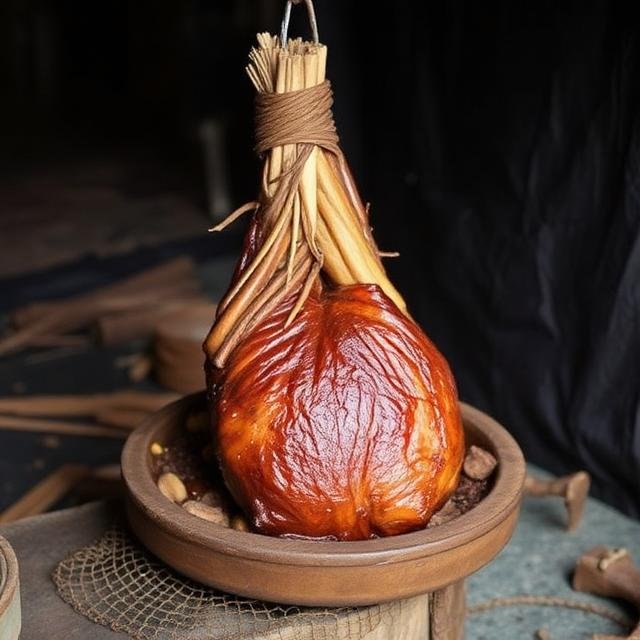
Country of origin: Levant (particularly Lebanon and Syria)
This round’s pick is awarma — small pieces of lamb or beef slow-cooked in their own rendered fat until tender, then packed and stored submerged in that same fat, which solidifies around the meat and seals it away from air. Unlike most dishes covered on this blog, awarma isn’t really eaten as a standalone dish at all; it’s better understood as a foundational preserved ingredient, closer in concept to something like confit or cured meat than to a composed recipe, and it played a genuinely essential practical role in Levantine households for generations before modern refrigeration existed.
A Preservation Method Born From Necessity
Awarma developed as a practical solution to a real problem: in the mountainous and rural regions of Lebanon and Syria, particularly before refrigeration became widely available, families needed a reliable way to preserve meat from seasonal slaughter, often done in autumn or around specific occasions, so it could be stored and used gradually over the following months, especially through the winter when fresh meat was less readily available. The technique of slow-cooking meat in its own fat and then storing it submerged in that same solidified fat created an effective barrier against air and bacteria, allowing the meat to keep for a remarkably long time at cool room temperature or in a cellar, without the meat spoiling the way it otherwise would if simply left exposed.
This kind of fat-preservation technique isn’t unique to the Levant — it echoes similar preservation methods found in various culinary traditions worldwide, most notably French confit, which relies on a closely related principle of cooking and storing meat submerged in fat. Awarma developed independently within its own regional context, reflecting a shared, practical solution that different culinary traditions arrived at separately when faced with similar preservation challenges before modern refrigeration existed anywhere.
Why the Fat Layer Isn’t Just a Storage Container
The fat surrounding the meat in properly made awarma serves a genuinely functional preservation role, not just a storage convenience. Once the cooked meat is packed into a container and fully covered with the rendered fat, and that fat is allowed to cool and solidify completely, it creates an airtight seal around the meat, preventing oxygen exposure that would otherwise allow bacteria and spoilage organisms to multiply. As long as that seal remains intact — meaning the meat stays fully submerged beneath a solid, unbroken layer of fat — awarma can be safely stored for months without refrigeration, a genuinely useful property in a world before consistent electricity and refrigeration were widely available across rural and mountainous areas.
A Flavor Base as Much as a Meat Source
Beyond its historical role as a preservation method, awarma has remained popular in modern Levantine cooking specifically for the rich, deeply savory flavor it develops during its slow-rendering cooking process, along with the flavorful fat itself, which is often used separately as a cooking fat in other dishes, imparting a distinct meaty richness anywhere it’s used. This means awarma functions in two separate but related roles within Levantine cooking: as a preserved meat that can be quickly fried up and eaten on its own, often alongside eggs for breakfast, and as a flavorful cooking fat that gets spooned out and used to enrich other dishes entirely, similar in spirit to how rendered bacon fat might be saved and reused in some other culinary traditions.
The Recipe
Makes about 3 cups
Ingredients
- 3 lbs lamb or beef, cut into small cubes, with a reasonable amount of fat included
- 1 lb additional lamb or beef fat, cut into small pieces (for rendering)
- 1 teaspoon salt, plus more to taste
- ½ teaspoon black pepper
Instructions
- Render the fat. In a large, heavy pot, cook the additional fat pieces over low heat, stirring occasionally, until they render down into liquid fat, about 20–30 minutes. Remove and discard any solid remaining bits once most of the fat has rendered out, or reserve them separately as a crispy snack.
- Cook the meat. Add the cubed meat to the rendered fat in the pot. Season with salt and pepper. Cook over low heat, stirring occasionally, for about 1 to 1 ½ hours, until the meat is very tender and has taken on a deep golden-brown color, fully submerged in the fat throughout the cooking process.
- Check the seasoning. Taste and adjust salt as needed, keeping in mind the mixture will be stored for an extended period, so seasoning it properly at this stage matters.
- Pack for storage. Transfer the cooked meat and fat into clean, dry glass jars or a similar airtight container, making sure the meat is fully submerged beneath the fat with no pieces exposed to air.
- Cool and seal. Let the containers cool at room temperature until the fat fully solidifies on top, creating a complete seal over the meat.
- Store. Once sealed, awarma can be stored in a cool, dark place for an extended period, or refrigerated for longer-term freshness in a modern kitchen setting.
A Note on Modern Storage
While awarma was traditionally stored without refrigeration for months, in a modern home kitchen it’s generally safer and more practical to store it in the refrigerator, where it will keep well for several weeks to a couple of months, still relying on the same fat-seal principle but with an added layer of food safety given how differently most modern kitchens are set up compared to the conditions awarma was originally developed for.
Serving Suggestions
Awarma is most commonly fried briefly and served alongside scrambled or fried eggs for breakfast, and the flavorful fat itself is often used to sauté vegetables or flavor rice and other dishes throughout the rest of the week.
Awarma is a reminder that not every important dish in a cuisine is meant to be eaten on its own — sometimes the most essential culinary traditions are really about solving a practical problem, in this case how to make a whole season’s meat last through a long winter.