
Bazargan: The Armenian-Lebanese Bulgur Salad Built on Tamarind

Country of origin: Armenian diaspora community in Lebanon
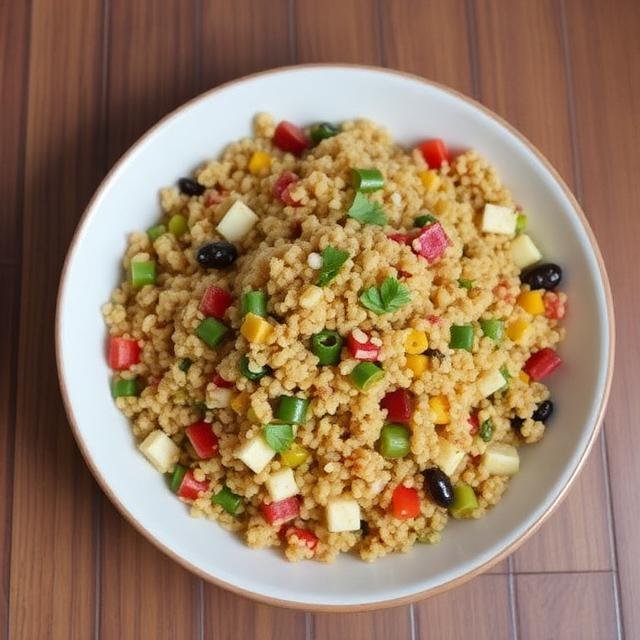
Bazargan — a cold bulgur salad bound together with tamarind paste, tomato paste, and a generous mix of warming spices, studded with walnuts and sometimes pomegranate molasses for extra tartness. It occupies a genuinely specific cultural space within Lebanese food culture: a dish rooted in the country’s Armenian community, whose culinary presence, shaped by the Armenian diaspora that settled in Lebanon and across the wider Levant in the early 20th century, has left a lasting and distinctive mark on the region’s broader food landscape.
A Dish That Reflects a Specific Diaspora History
Bazargan’s presence in Lebanon connects directly to the Armenian community that settled in the country in significant numbers during the early 20th century, following the Armenian genocide and the broader displacement of Armenian populations from Ottoman territory. That community brought its own distinct culinary traditions with it, and over the following decades, dishes like bazargan became woven into Lebanon’s wider food culture, eaten well beyond just Armenian-Lebanese households specifically, similar in general pattern, though rooted in a very different and more recent historical event, to how Iraqi Jewish dishes like sabich became integrated into broader Israeli food culture, discussed elsewhere on this blog. This makes bazargan a useful example of how a single community’s specific historical experience and subsequent migration can leave a lasting, genuinely embedded mark on a host country’s wider culinary identity within a relatively short span of generations.
Tamarind Sets It Apart From Other Bulgur Salads
Where tabbouleh, discussed elsewhere on this blog, gets its brightness primarily from lemon juice, and other regional bulgur-based dishes lean on pomegranate molasses or sumac for tartness, bazargan is distinguished specifically by its use of tamarind paste as a central flavoring ingredient, a sour, tangy fruit pulp more commonly associated with South and Southeast Asian cooking, along with parts of the Middle East where trade brought it into more regular culinary use. Tamarind’s specific flavor profile — sour, slightly sweet, with a deep, almost date-like richness underlying the tartness — gives bazargan a genuinely distinctive taste that sets it apart clearly from other bulgur salads in the region’s cooking, reflecting the specific ingredient preferences the Armenian community carried with them and incorporated into their adapted Lebanese cooking.
A Salad Built to Keep, Not Just to Serve Fresh
Unlike tabbouleh, which is best made and eaten close to serving time given how quickly its fresh herbs release moisture once dressed, discussed elsewhere on this blog, bazargan is generally considered to improve with a bit of time, with many recipes recommending it rest for at least a few hours, or even overnight, in the refrigerator before serving, allowing the bulgur to fully absorb the tamarind and tomato-based dressing and the flavors to meld and deepen. This makes bazargan a genuinely practical make-ahead dish, well suited to being prepared in advance for a gathering, in contrast to several of the other cold salads discussed on this blog that specifically call for last-minute assembly.
The Recipe
Serves 4–6
Ingredients
- 1 ½ cups fine bulgur wheat
- 3 tablespoons tamarind paste
- 3 tablespoons tomato paste
- 3 tablespoons olive oil
- 1 teaspoon ground cumin
- ½ teaspoon Aleppo pepper or paprika
- ¼ teaspoon cinnamon
- 1 small onion, finely chopped
- ½ cup walnuts, chopped
- 1 tablespoon pomegranate molasses (optional)
- Salt, to taste
- Fresh parsley, chopped, for garnish
- Lemon wedges, for serving
Instructions
- Soak the bulgur. Place the fine bulgur in a bowl and cover with just enough hot water to moisten it thoroughly. Let sit for about 15–20 minutes, until softened, then fluff with a fork.
- Make the dressing. In a separate bowl, whisk together tamarind paste, tomato paste, olive oil, cumin, Aleppo pepper, cinnamon, and pomegranate molasses if using, until well combined into a thick, tangy paste.
- Combine. Add the dressing to the softened bulgur along with the chopped onion and walnuts, mixing thoroughly until evenly distributed and the bulgur takes on a deep reddish-brown color.
- Season. Add salt to taste, keeping in mind tamarind and tomato paste both contribute some natural saltiness and intensity of their own.
- Rest. Cover and refrigerate for at least a few hours, or ideally overnight, to allow the flavors to fully meld and deepen.
- Serve. Garnish with fresh parsley and serve with lemon wedges on the side.
A Note on Tamarind Paste
Tamarind paste varies considerably in concentration and sourness between brands, so start with the amount specified and taste as you go, adding a bit more if you’d like a sharper, more pronounced tartness throughout the salad.
Serving Suggestions
Bazargan is traditionally served as part of a mezze spread, often scooped into lettuce leaves or eaten alongside warm flatbread, and its make-ahead nature makes it a particularly practical choice for larger gatherings.
Bazargan carries a specific community’s history inside a bowl of bulgur — a dish that shows how a single diaspora’s culinary preferences, tamarind included, can settle into a new country’s food culture and become a genuine, lasting fixture of it.