
Sahlab: The Winter Drink Named After a Vanishing Orchid

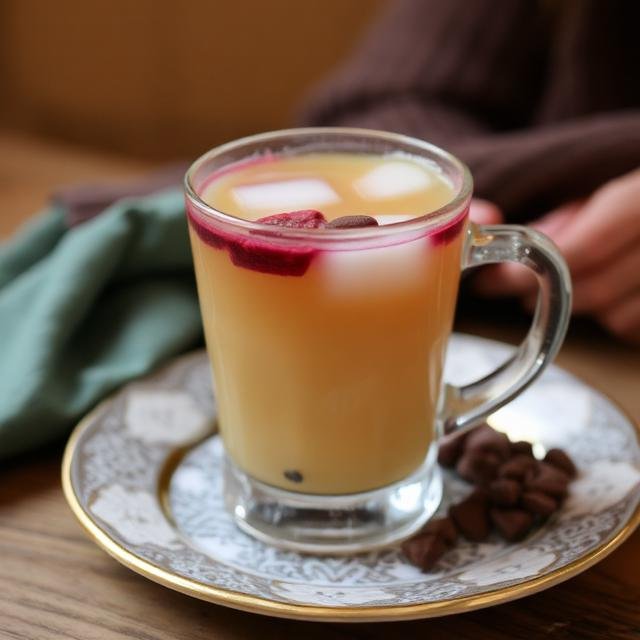
Country of origin: Widely shared across the Levant, Turkey, and Egypt
This round’s pick is sahlab (also spelled sahlep or salep) — a thick, warm, milk-based drink thickened with a starchy flour and typically topped with a scatter of cinnamon, coconut, and crushed nuts, closely associated with cold-weather comfort across much of the Eastern Mediterranean. It’s already made a brief appearance on this blog as one of the key ingredients behind booza’s distinctive stretchy texture, but the drink itself, and the genuinely unusual and increasingly scarce plant behind its name, deserves its own closer look.
Named for an Ingredient That’s Become Genuinely Rare
Sahlab takes its name directly from the ground flour traditionally made from the tubers of specific wild orchid species native to the mountains and meadows of the Eastern Mediterranean and parts of Central Asia. Harvesting genuine sahlab requires digging up and drying the orchid’s tuber, a process that, combined with overharvesting and habitat loss across parts of the plant’s native range over recent decades, has made true, wild-harvested sahlab flour increasingly scarce and expensive, to the point where some regions have placed restrictions or protections on wild orchid harvesting specifically because of conservation concerns tied to overharvesting for this exact culinary use. As a direct result, most commercially available “sahlab” powder sold today, particularly outside a small number of specialty producers, is actually a blend of cornstarch or other more readily available starches, sometimes with a small amount of genuine orchid flour mixed in or, increasingly commonly, none at all, artificially flavored to approximate the real thing’s flavor and aroma.
This scarcity story sets sahlab apart from most other ingredients discussed on this blog, most of which remain widely and easily available — sahlab represents a rarer case of a beloved, historically significant ingredient becoming a victim of its own popularity and desirability over time, similar in some respects to conservation pressures affecting various wild-harvested ingredients in culinary traditions worldwide.
A Drink Built Around Genuine Textural Thickness
Sahlab’s defining characteristic as a drink is its notably thick, almost custard-like consistency, a texture that comes from the natural thickening properties genuine orchid-derived sahlab flour possesses, a property that cornstarch-based substitutes can approximate reasonably well, even if the flavor profile differs somewhat from the real thing. This thickness distinguishes sahlab clearly from other warm regional drinks like karak, discussed elsewhere on this blog, which stays relatively thin and pourable by comparison — sahlab is meant to be sipped slowly, almost eaten with a spoon in its thicker preparations, rather than drunk quickly the way a standard cup of tea or coffee typically is.
A Seasonal Drink Tied to Cold Weather Street Vendors
Historically and still today in many cities across the Levant, Turkey, and Egypt, sahlab has been closely associated with street vendors who set up specifically during the colder months, ladling out warm cups to passersby seeking something warming and substantial on a cold evening, similarly to how certain seasonal foods discussed elsewhere on this blog, including kishk soup, have developed a strong association with specific weather and seasons rather than being consumed year-round. This seasonal street vendor tradition has become less common in some cities as tastes and urban food culture have shifted, though sahlab remains a recognizable and nostalgic winter drink across much of the region.
The Recipe
Serves 4
Ingredients
- 4 cups whole milk
- 3 tablespoons sahlab powder (cornstarch-based blend, widely available at Middle Eastern grocers, is a reasonable substitute if genuine orchid-derived sahlab isn’t accessible)
- ¼ cup sugar, adjusted to taste
- 1 teaspoon rosewater or orange blossom water
- Ground cinnamon, for garnish
- Shredded coconut, for garnish
- Crushed pistachios, for garnish
Instructions
- Combine milk and sahlab powder. In a saucepan, whisk the sahlab powder into about 1 cup of the milk until fully dissolved with no lumps.
- Heat gradually. Add the remaining milk and sugar, then heat over medium-low heat, whisking frequently, until the mixture begins to thicken, about 8–10 minutes.
- Continue cooking. Keep whisking and cooking for another few minutes, until the mixture reaches a thick, custard-like consistency that coats the back of a spoon generously.
- Add flavoring. Remove from heat and stir in the rosewater or orange blossom water.
- Serve immediately. Pour into cups while still warm.
- Garnish. Top each cup with a dusting of cinnamon, a sprinkle of shredded coconut, and crushed pistachios.
A Note on Thickness
If your sahlab seems too thin after the initial cooking time, continue simmering for a few more minutes, whisking constantly — it should reach a notably thick, almost pudding-like consistency rather than staying as thin and pourable as a standard hot milk drink.
Serving Suggestions
Sahlab is traditionally served hot, ideally on a genuinely cold day, and it’s commonly enjoyed alongside a sweet pastry or on its own as a warming, substantial drink in the evening.
Sahlab’s scarcity story — a beloved drink named after a wild orchid that’s become increasingly rare through the very popularity that made it beloved — is a reminder that not every ingredient in this region’s culinary tradition is guaranteed to remain as accessible as it’s always been.