
Mahleb: The Spice Hiding Inside a Cherry Pit

Country of origin: Widely used across the Levant, Turkey, Greece, and the wider Eastern Mediterranean
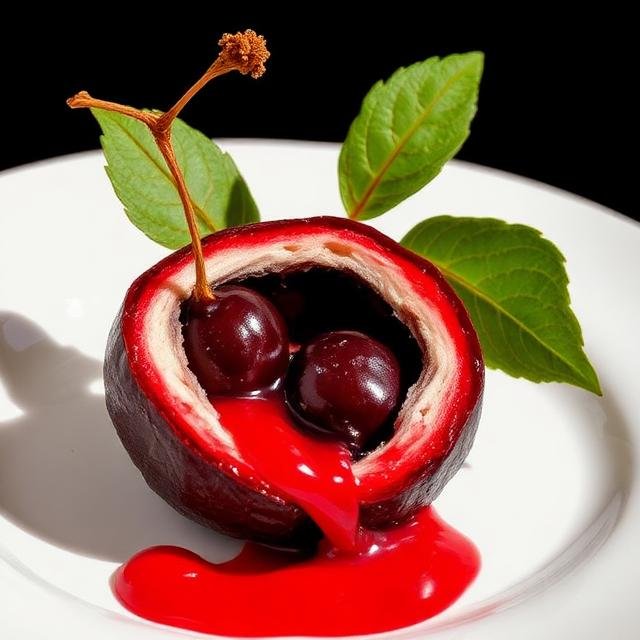
This round’s pick steps away from a full dish to spotlight a single defining ingredient: mahleb, a fragrant, slightly bitter-sweet spice ground from the seed kernels found inside the pits of a specific wild cherry species (Prunus mahaleb), used widely across the region’s baking tradition. It’s already made an unnamed appearance in this blog’s coverage of mamoul and kleicha, both of which commonly include it, but mahleb’s specific botanical origin and its role across so many of the region’s baked goods make it worth understanding directly on its own terms.
An Unusual Botanical Source for a Spice
Most spices covered on this blog come from more conventional sources — dried fruit, bark, seeds, or leaves from plants specifically cultivated for their flavor. Mahleb is a genuine outlier in this respect: it’s produced by cracking open the hard pits of a specific wild cherry species, extracting the small kernel inside (essentially the seed within the seed), and drying and grinding that kernel into a fine, aromatic powder. This process is considerably more labor-intensive than harvesting a more typical spice, since it requires processing large quantities of cherry pits just to extract a relatively small amount of the actual usable kernel, which is part of why mahleb has historically commanded a higher price and been used somewhat more sparingly than more readily available spices like cumin or cinnamon.
A Flavor That’s Genuinely Hard to Compare to Anything Else
Mahleb’s flavor profile is notably difficult to describe by comparison to other common spices, which is part of what makes it such a distinctive addition wherever it’s used. It carries a subtle bitterness alongside a sweet, floral, almost cherry-and-almond-adjacent aromatic quality, with a slight resinous undertone that doesn’t map cleanly onto more familiar baking spices like cinnamon, cardamom, or nutmeg. This uniqueness is part of why dishes containing mahleb, including mamoul and kleicha discussed elsewhere on this blog, develop such a specific, recognizable aroma and flavor that’s hard to replicate through spice substitution — there genuinely isn’t a close, readily available stand-in that captures the same effect, unlike some other specialty ingredients on this blog where a reasonable substitute exists.
Why It Shows Up Specifically in Baked Goods
Mahleb’s use across the region is heavily concentrated in baking specifically, appearing in a range of breads, cookies, and pastries rather than in savory cooking, spice blends for meat, or beverages. Beyond mamoul and kleicha, it shows up in various regional Easter and holiday breads across Greece, the Balkans, and the Levant, along with everyday sweet breads and cookies in Turkish and broader Eastern Mediterranean baking traditions. This concentration specifically within baked goods likely reflects how well mahleb’s subtle, aromatic bitterness pairs with the sweetness typical of baked doughs and fillings, providing a background complexity that balances out sugar-forward recipes rather than dominating them the way a more assertive spice might.
How to Use It
Mahleb is typically sold either as whole small kernels, which need to be ground just before use for the best flavor, or pre-ground into a fine powder, which is more convenient but loses potency more quickly once exposed to air. If using whole kernels, a small spice grinder or mortar and pestle works well for grinding just the amount needed for a given recipe. It’s used sparingly, typically in amounts of a half teaspoon to a teaspoon per recipe, given its concentrated, distinctive flavor — using too much can push a dish toward an unpleasant bitterness rather than the subtle background complexity it’s meant to provide in smaller amounts.
A Simple Way to Try It: Mahleb Sugar Cookies
Makes about 20 cookies
Ingredients
- 2 ¼ cups all-purpose flour
- ½ teaspoon baking powder
- ¾ teaspoon ground mahleb
- ¼ teaspoon salt
- ¾ cup unsalted butter, softened
- ¾ cup sugar
- 1 egg
- 1 teaspoon vanilla extract
- Sesame seeds, for topping (optional)
Instructions
- Combine the dry ingredients. Whisk together flour, baking powder, mahleb, and salt in a bowl.
- Cream the butter and sugar. In a separate bowl, beat the butter and sugar together until light and fluffy, then mix in the egg and vanilla.
- Combine. Gradually mix the dry ingredients into the butter mixture until a soft dough forms.
- Shape. Roll the dough into small balls, about 1 inch wide, and flatten slightly. Press a few sesame seeds onto the top of each if using.
- Bake. Bake at 350°F (175°C) for 12–14 minutes, until just lightly golden at the edges.
- Cool and serve. Let cool on the tray for a few minutes before transferring to a wire rack.
A Note on Freshness
Because ground mahleb loses its distinctive aroma relatively quickly once exposed to air, buying whole kernels and grinding only what you need for a given recipe, rather than keeping a large jar of pre-ground mahleb on hand for an extended period, will generally give you a noticeably more pronounced and pleasant flavor.
Where Else to Use It
Beyond cookies, try adding a small amount of mahleb to sweet yeasted breads, holiday cookie doughs, or even a simple pound cake batter, anywhere you’d want a subtle, distinctive aromatic note beneath the primary sweetness of the recipe.
Mahleb is a good example of how an ingredient doesn’t need to be widely known outside its home region to be genuinely essential within it — a spice hidden inside a cherry pit, doing quiet, defining work in some of the region’s most cherished baked goods.