
Sujuk: The Garlic-and-Cumin Sausage That Crosses Three Cuisines at Once

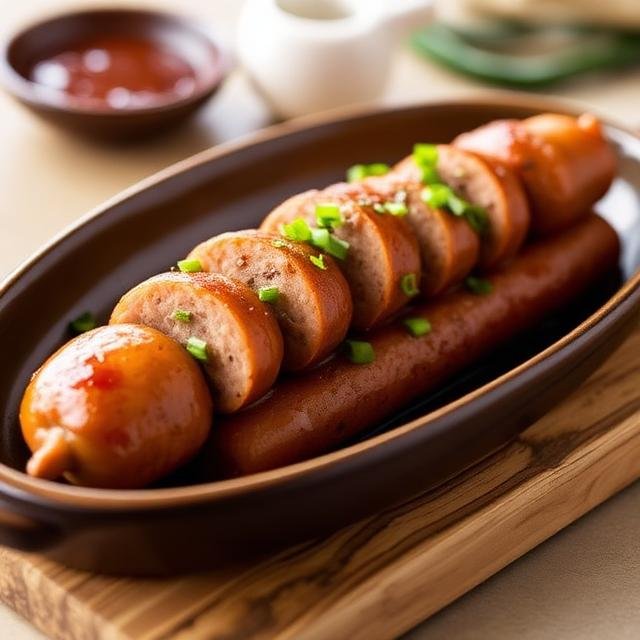
Country of origin: Widely shared across Turkey, Armenia, and the Levant
This round’s pick is sujuk (also spelled sucuk or soujouk) — a spiced, air-dried sausage made from ground beef or lamb, heavily seasoned with garlic, cumin, and paprika, and stuffed into a casing before being cured and partially dried. Alongside basterma, discussed elsewhere on this blog, it represents another distinct cured meat tradition from the region, but one built around a completely different format — ground and stuffed rather than a whole cut of meat — and one claimed with equal enthusiasm across Turkish, Armenian, and broader Levantine culinary traditions.
A Sausage Without a Single, Settled National Claim
Sujuk’s exact origin is genuinely difficult to assign to a single country or culture, reflecting the same kind of shared, contested culinary territory discussed in relation to dishes like lahmacun and baklava elsewhere on this blog. Turkish, Armenian, and various Levantine and Balkan food traditions all maintain sujuk as a well-established part of their own culinary identity, with each attaching their own specific regional spicing preferences and production methods to what is, at its core, a shared technique of curing and semi-drying a heavily spiced ground meat sausage. This widespread, overlapping claim likely reflects the same broader pattern of Ottoman-era culinary exchange discussed throughout this blog, where a technique or dish spread and took root deeply enough across a wide, connected territory that pinpointing one single point of origin became genuinely difficult, if not impossible, to do with real confidence.
Garlic and Cumin Define the Flavor More Than Any Other Spice
While specific spice blends vary somewhat by region and producer, sujuk is consistently and heavily defined by two ingredients above all others: garlic and cumin, used in noticeably larger quantities than in most other cured or cooked meats discussed on this blog. This assertive garlic-and-cumin profile is part of what makes sujuk instantly recognizable by smell and taste alone, distinguishing it clearly from other regional cured meats like basterma, whose defining flavor comes primarily from fenugreek-based çemen paste instead. The generous use of these two specific spices in sujuk isn’t simply a matter of taste preference — garlic in particular has some natural antimicrobial properties that likely made it a practical, functional ingredient choice for a cured meat product historically, beyond just its flavor contribution.
Semi-Dried, Not Fully Dried, Changes How It’s Used
A meaningful distinction between sujuk and many other cured sausages found in various culinary traditions worldwide is that sujuk is typically only partially or semi-dried, rather than being cured all the way to a fully shelf-stable, hard state. This partial drying leaves sujuk with a notably softer, more pliable texture than something like a fully cured hard salami, and it’s part of why sujuk is very commonly cooked before eating — sliced and fried, grilled, or added directly into other dishes like eggs or stews — rather than being eaten purely as a ready-to-eat cured meat straight from curing, which is the more typical use case for fully dried sausages elsewhere in the world.
The Recipe: Sujuk and Eggs
Given that properly curing sujuk from scratch is a genuinely advanced, multi-week process requiring specific food safety knowledge, this recipe uses store-bought sujuk in one of its most popular and simple preparations.
Serves 2
Ingredients
- 6 oz sujuk, casing removed, sliced into rounds or crumbled
- 1 tablespoon olive oil
- 4 eggs
- Salt and black pepper, to taste
- Fresh bread, for serving
Instructions
- Cook the sujuk. Heat olive oil in a pan over medium heat. Add the sliced or crumbled sujuk and cook for 2–3 minutes, until it releases some of its own reddish, spiced fat and the edges begin to crisp slightly.
- Add the eggs. Crack the eggs directly into the same pan, letting them cook alongside and slightly into the rendered sujuk fat, which infuses the eggs with the sausage’s garlic and cumin flavor as they set.
- Season lightly. Add a small amount of salt if needed, keeping in mind sujuk is already well-seasoned, along with black pepper to taste.
- Serve. Serve hot, directly from the pan, with fresh bread for scooping.
A Note on Cooking Sujuk
Because sujuk is only semi-dried rather than fully cured, always cook it thoroughly before eating rather than treating it as ready-to-eat the way you might a fully cured hard sausage — this is a meaningful food safety distinction worth keeping in mind given the difference in curing method.
Serving Suggestions
Sujuk is extremely versatile beyond just eggs — it’s commonly sliced into stews, added to pizza-like flatbreads, or served simply pan-fried on its own as part of a larger breakfast spread alongside cheese, olives, and fresh vegetables.
Sujuk’s overlapping claim across Turkish, Armenian, and Levantine kitchens is a fitting reminder that this region’s culinary history rarely respects the tidy borders of modern countries — a well-loved, heavily garlicked sausage doesn’t need to belong to just one of them.