
Fattet Hummus: Another Member of the “Fatt” Family, This Time for Breakfast

Country of origin: Levant (Lebanon, Syria, Jordan, Palestine)
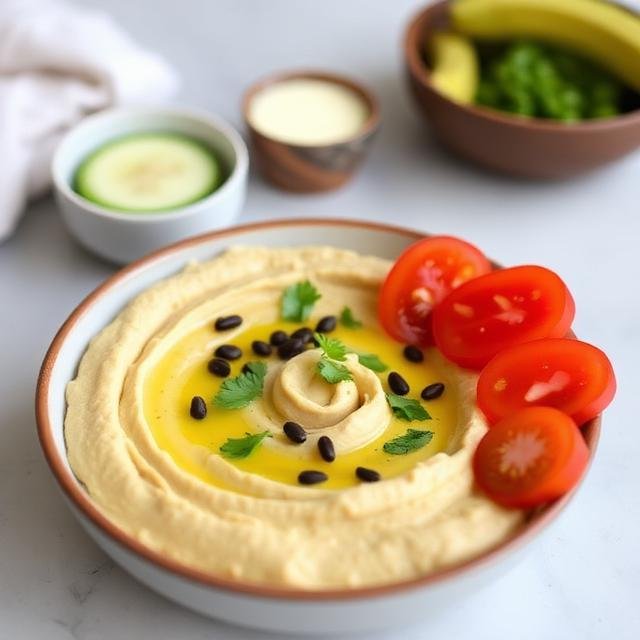
This round’s pick is fattet hummus — a layered breakfast dish built from crisped stale bread, warm chickpeas, and a generous topping of garlicky yogurt, finished with browned butter, pine nuts, and a scatter of fresh herbs. It belongs to the same broader “fatt” family of dishes discussed in relation to fattoush elsewhere on this blog, all built around the shared technique of incorporating torn, stale bread directly into the structure of the dish, but fattet hummus takes that concept in a completely different, warm, breakfast-oriented direction.
Part of a Bread-Reuse Tradition, Applied to a Warm Dish
As with fattoush, fattet hummus’s foundation reflects the same practical, waste-conscious approach to using up bread that’s gone slightly stale, discussed in more detail in relation to fattoush’s origins elsewhere on this blog. But where fattoush applies that bread-reuse technique to a cold, bright, herb-forward salad, fattet hummus takes the concept in a warm, hearty, breakfast-appropriate direction instead, layering crisped bread beneath warm chickpeas and yogurt rather than tossing it through a fresh vegetable salad. This range — the same basic “fatt” technique showing up in dishes as different as a cold summer salad and a warm winter breakfast — is a good illustration of how flexible and foundational the underlying bread technique has become across Levantine cooking more broadly, extending even further into dishes like fatteh made with eggplant or meat, which follow the same layered-bread logic in yet other directions.
A Dish Built in Distinct Layers, Meant to Be Eaten Together
Fattet hummus is traditionally assembled in a specific layered order: crisped or fried bread pieces on the bottom, warm chickpeas (sometimes tossed briefly with a bit of their cooking liquid and cumin) in the middle, and a generous layer of tangy, garlicky yogurt poured over the top, finished with browned butter, toasted pine nuts, and fresh parsley or mint. Unlike a dish where the components might be served separately and combined bite by bite at the diner’s discretion, fattet hummus is meant to be scooped from all the layers together in a single spoonful, so the bread soaks up moisture from both the chickpeas below and the yogurt above simultaneously, softening slightly while still retaining a bit of textural contrast if eaten promptly after assembly.
Why Timing the Bread Matters Just as Much Here as in Fattoush
As with fattoush, the timing of when the bread is added and how quickly the dish is eaten after assembly matters considerably for the final texture. Bread that’s added too far ahead of serving, or a dish that sits too long once assembled, will result in the bread turning fully soft and losing the textural contrast that makes fattet hummus interesting to eat — the crisp bread is meant to soften just enough to become pleasantly tender while still offering some resistance, rather than dissolving into a uniformly mushy base. This is part of why fattet hummus, like several other dishes on this blog that rely on a similar hot-liquid-meets-crisp-base technique, is best assembled and served promptly rather than prepared well ahead of time.
The Recipe
Serves 4
Ingredients
For the bread layer:
- 3 pieces pita bread, torn into pieces
- 2 tablespoons olive oil
For the chickpeas:
- 3 cups cooked chickpeas (canned or home-cooked), with some liquid reserved
- 1 teaspoon ground cumin
- Salt, to taste
For the yogurt layer:
- 2 cups plain yogurt
- 2 cloves garlic, minced
- Pinch of salt
For the topping:
- 3 tablespoons butter
- ¼ cup pine nuts
- ½ teaspoon paprika or sumac
- Fresh parsley or mint, chopped, for garnish
Instructions
- Crisp the bread. Toast the torn pita in a dry pan or bake at 375°F (190°C) for 8–10 minutes until crisp and golden, or lightly fry in olive oil for a richer result.
- Warm the chickpeas. In a saucepan, gently heat the chickpeas with a splash of their reserved liquid, cumin, and salt, just until warmed through.
- Make the yogurt layer. Whisk the yogurt with minced garlic and a pinch of salt.
- Toast the pine nuts. In a small pan, melt the butter over medium heat, add the pine nuts, and cook, stirring frequently, until golden, about 2–3 minutes. Stir in the paprika or sumac and remove from heat immediately.
- Assemble. Spread the crisped bread pieces across the bottom of a serving dish. Spoon the warm chickpeas evenly over the bread. Pour the garlicky yogurt generously over the chickpeas.
- Finish. Drizzle the browned butter and pine nut mixture over the top, and scatter with fresh parsley or mint.
- Serve immediately. Serve right away, while the bread still has some texture remaining beneath the warm chickpeas and yogurt.
A Note on Assembly Timing
Assemble fattet hummus as close to serving time as possible — prepping the individual components ahead is fine, but layering everything together should happen right before you’re ready to eat, since the dish doesn’t hold well once fully assembled.
Serving Suggestions
Fattet hummus is a substantial breakfast or brunch dish on its own, though it’s also sometimes served as a starter at larger meals, similar to how msabaha, discussed elsewhere on this blog, occupies a warm, hearty role at the Levantine breakfast table.
Fattet hummus shows just how far the same simple idea — don’t waste the stale bread, build the dish around it instead — can stretch across a cuisine, showing up in forms as different as a bright summer salad and a warm, layered breakfast bowl.