
Msabaha: The Warm, Chunky Dish Often Mistaken for Unfinished Hummus

Country of origin: Levant (particularly Palestine and Lebanon)
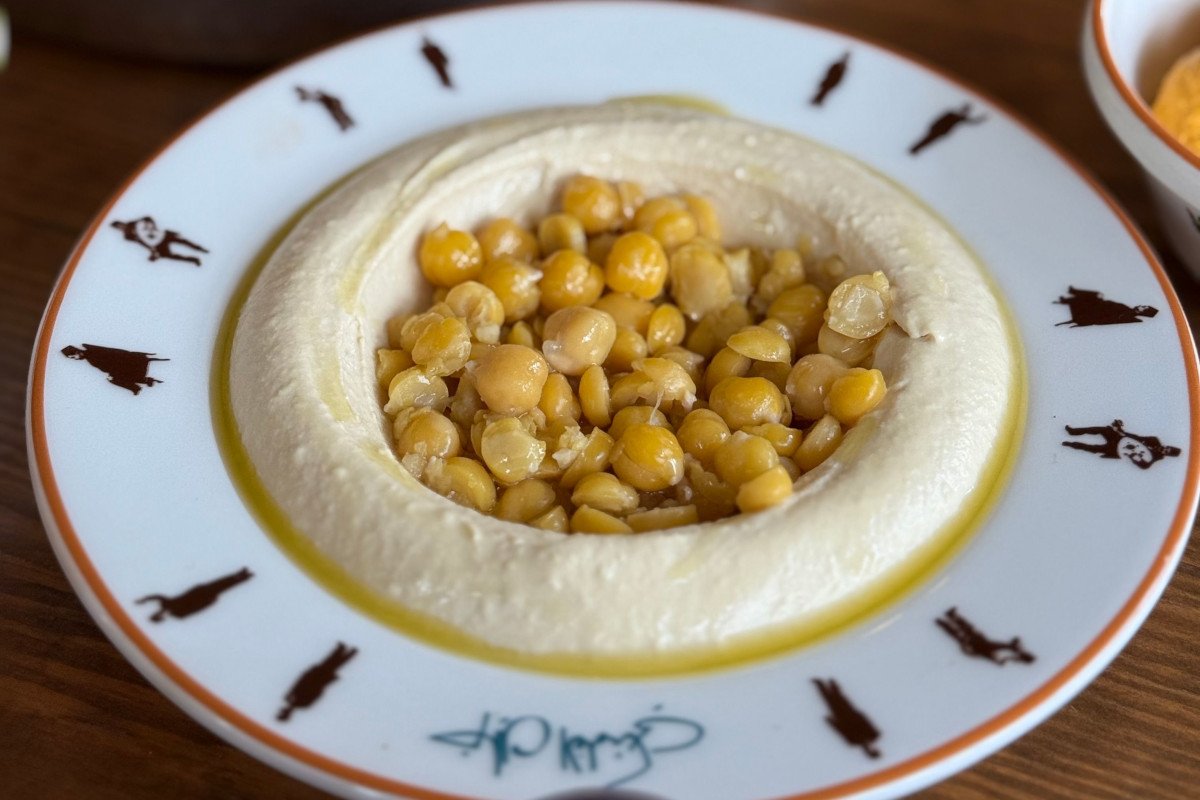
This round’s pick is msabaha — a warm chickpea dish closely related to hummus, but distinct enough in texture and serving style that treating it as simply “unblended hummus” undersells what makes it its own thing. Served warm, with whole or partially mashed chickpeas sitting in a pool of tahini sauce, lemon, and olive oil, msabaha occupies a specific, well-established place in Levantine breakfast culture that hummus, despite sharing the same core ingredient, doesn’t quite fill in the same way.
A Dish That Predates, or at Least Parallels, Hummus
The exact historical relationship between msabaha and hummus is genuinely debated, with some food historians and home cooks describing msabaha as an older, more traditional preparation that hummus itself may have developed from, while others see the two as parallel dishes that developed alongside each other from the same basic chickpea-and-tahini foundation, rather than one being a clear predecessor to the other. What’s better established is that msabaha has long held a distinct identity within Palestinian and Lebanese food culture specifically as a warm breakfast dish, differentiated clearly from hummus’s more general role as a cold or room-temperature dip eaten throughout the day and paired with a wide range of other foods.
The Texture Difference Isn’t Incidental
The most obvious distinction between msabaha and hummus is texture: while hummus is blended into a smooth, uniform paste, msabaha keeps the chickpeas largely whole or only roughly, partially mashed, served warm and swimming in a loose tahini sauce rather than fully incorporated into a thick, spreadable dip. This isn’t simply an unfinished or lazier version of hummus — it’s a deliberate textural choice that changes the entire eating experience, closer to a warm, saucy chickpea stew you’d scoop up with bread than a spread you’d smear across a plate. The whole chickpeas provide a distinctly different bite and a heartier, more substantial feel, suited to msabaha’s role as a warming breakfast dish rather than a room-temperature appetizer.
Served Warm, Which Changes Everything About How It’s Eaten
Temperature is another key differentiator, and one that’s closely tied to msabaha’s specific role at the table. Served warm, often with the tahini sauce and chickpeas still gently heated through, msabaha functions much more like a comforting morning dish, commonly eaten for breakfast alongside fresh bread, similar in spirit to how ful medames, discussed elsewhere on this blog, functions as a warm, hearty breakfast built around a legume base. Hummus, by contrast, is almost always served at room temperature or cold, and functions more as an all-day dip or mezze component rather than being specifically tied to breakfast the way msabaha is.
The Recipe
Serves 4
Ingredients
- 2 cups cooked chickpeas (canned is fine, or home-cooked from dried), with some cooking liquid reserved
- ½ cup tahini
- ¼ cup fresh lemon juice
- 2 cloves garlic, minced
- ¼ cup water, plus more as needed
- Salt, to taste
- 2 tablespoons olive oil, plus more for drizzling
- ½ teaspoon ground cumin
- Fresh parsley, chopped, for garnish
- Pinch of paprika or Aleppo pepper, for garnish
- A few whole chickpeas, reserved for topping
Instructions
- Warm the chickpeas. In a saucepan, gently heat the chickpeas with a bit of their cooking liquid or a splash of water over medium-low heat, just until warmed through. Avoid boiling vigorously, which can start to break the chickpeas down more than intended.
- Make the tahini sauce. In a bowl, whisk together tahini, lemon juice, garlic, and water until you get a smooth, pourable sauce — it should be looser than a typical hummus consistency, closer to a thick, pourable dressing. Season with salt.
- Combine. Reserve a small handful of whole chickpeas for topping. Lightly mash the remaining warm chickpeas with a fork or the back of a spoon, leaving plenty of texture and whole pieces rather than mashing them smooth. Stir them into the tahini sauce, keeping the mixture warm.
- Season. Stir in the olive oil and cumin, adjusting salt and lemon juice to taste.
- Assemble. Spread the warm chickpea-tahini mixture onto a shallow serving plate. Top with the reserved whole chickpeas, a drizzle of olive oil, a sprinkle of paprika or Aleppo pepper, and fresh parsley.
- Serve immediately. Serve warm with fresh bread for scooping.
A Note on Consistency
Msabaha should be looser and saucier than hummus, so don’t be tempted to reduce the tahini sauce down to a thick paste — the loose, pourable consistency is central to how the dish is meant to be eaten, scooped up generously with bread rather than spread thinly.
Serving Suggestions
Msabaha is traditionally eaten for breakfast with warm pita or another flatbread, often alongside other breakfast staples like olives, fresh vegetables, and a hard-boiled egg.
Msabaha’s warm, chunky texture is a reminder that hummus’s smooth, room-temperature form isn’t the only, or even the original, way this region has served chickpeas and tahini together.