
Loomi: The Sun-Dried Lime That’s Been Quietly Flavoring This Whole Blog

Country of origin: Widely used across the Gulf, Iraq, and Iran
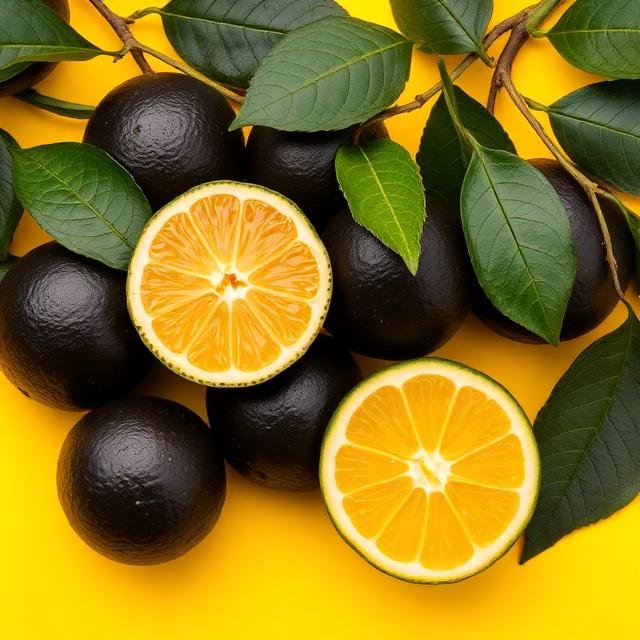
Loomi (also called limoo amani in Persian, or noomi basra in some Gulf and Iraqi contexts) — whole limes boiled briefly in salted water and then dried in the sun for days or weeks until they turn dark, hollow, and rock-hard. It’s already made quiet, unnamed appearances throughout this blog, showing up as a defining ingredient in kabsa’s broth and in ghormeh sabzi’s tangy depth, both discussed elsewhere on this blog, but it’s genuinely earned its own dedicated look, given how many otherwise very different regional dishes rely on it for a flavor that fresh lime simply can’t replicate.
A Preservation Technique That Created an Entirely New Flavor
Loomi began, like several other preserved ingredients discussed on this blog, as a practical solution to a seasonal problem: limes don’t stay fresh indefinitely, and drying them provided a way to preserve their sourness for use well beyond the fruit’s actual growing season, particularly valuable across the historically arid Gulf region and parts of Iraq and Iran where fresh citrus wasn’t always reliably available year-round. What makes loomi a particularly interesting case among the region’s preserved ingredients, though, is that the drying and salting process doesn’t just preserve the lime’s sourness — it genuinely transforms it into something new. Where a fresh lime is bright, sharp, and purely citrusy, dried loomi develops a deeper, more complex sourness with smoky, almost fermented undertones, along with a subtle bitterness from the dried peel, resulting in a flavor that reads as genuinely distinct from fresh lime juice rather than simply a more concentrated or muted version of it.
Why Recipes Specifically Call for Loomi, Not a Substitute
Several dishes discussed elsewhere on this blog, including kabsa, harees, and ghormeh sabzi, call specifically for whole dried limes rather than fresh lime juice, and this isn’t interchangeable the way some other ingredient substitutions on this blog reasonably can be. The specific tartness and underlying complexity loomi provides comes directly from its unique preservation process, and swapping in fresh lime juice instead would produce a noticeably different, flatter result, missing the smoky depth that dried limes specifically contribute to a long-simmered dish. This is part of why loomi, much like mahleb discussed elsewhere on this blog, doesn’t have a truly close, readily available substitute — recipes that specifically call for it are generally worth sourcing the real ingredient for, rather than assuming a fresh citrus swap will get you to the same place.
Whole, Pierced, or Ground: Different Forms for Different Dishes
Loomi gets used in a few genuinely different ways depending on the specific dish and the desired outcome. In many long-simmered stews and soups, whole dried limes are added directly to the pot, sometimes lightly pierced or cracked with the back of a spoon partway through cooking to release more of their flavor into the broth, as discussed in relation to ghormeh sabzi elsewhere on this blog, with the whole lime typically removed before serving, or occasionally left in for those who enjoy eating a bit of the softened, cooked peel directly. In other preparations, dried loomi is ground into a fine powder and used more like a spice, stirred directly into a dish for a more evenly distributed sourness without the whole-fruit presence in the pot. Choosing between these approaches depends largely on how integrated you want the sourness to be throughout the dish versus concentrated and adjustable, since a whole lime left to simmer longer will release more flavor than one added later in the cooking process.
How to Use It at Home
If you’re working with whole dried limes for the first time, a few practical steps help: piercing the dried lime with a fork or knife tip before adding it to a pot allows liquid to penetrate and extract flavor more effectively than leaving it fully intact. For recipes calling for ground loomi, whole dried limes can be broken apart and ground in a spice grinder, discarding any particularly hard or woody bits that don’t break down well. Loomi is available at Middle Eastern and Persian grocers, generally sold in bags of whole dried limes, and it keeps well at room temperature in a sealed container for an extended period given how thoroughly dried it already is.
A Simple Way to Try It: Loomi Tea
Serves 2
Ingredients
- 2 whole dried limes, pierced with a fork
- 3 cups water
- Honey or sugar, to taste (optional)
Instructions
- Simmer the limes. Add the pierced dried limes to a small pot with the water. Bring to a boil, then reduce heat and simmer for about 10–15 minutes, until the water takes on a golden-brown color and the lime’s aroma becomes pronounced.
- Strain and sweeten. Strain out the limes, and sweeten with honey or sugar if desired.
- Serve. Serve warm.
A Note on Storage
Whole dried limes will keep for a genuinely long time at room temperature in a sealed container, given how thoroughly they’ve already been dried, making them a practical pantry staple to keep on hand rather than something needing frequent replacement.
Where Else to Use It
Beyond kabsa, harees, and ghormeh sabzi, all discussed elsewhere on this blog, try adding a whole pierced loomi to any long-simmered lentil soup or bean stew for a background tartness that develops gradually throughout the cooking time.
Loomi is a good reminder that some of the most important flavors in a regional cuisine are the quiet ones working in the background of a dish rather than announcing themselves directly — a preserved lime doing patient, essential work in pots across the Gulf, Iraq, and Iran long before anyone stops to ask what’s actually making the broth taste so distinctly sour.