
Kibbeh Nayyeh: The Raw Dish That Demands the Best Meat in the House

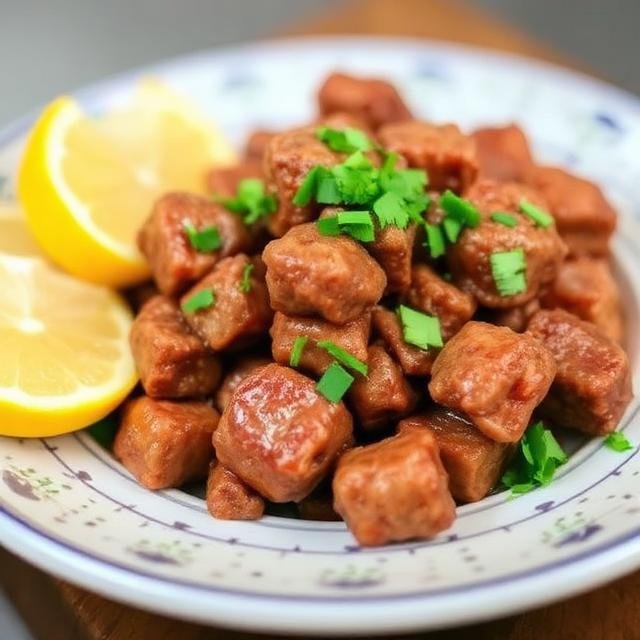
Country of origin: Levant (particularly Lebanon and Syria)
This round’s pick is kibbeh nayyeh — raw, finely pounded lamb or beef mixed with fine bulgur, onion, and warming spices, traditionally eaten uncooked, drizzled generously with olive oil and served with fresh mint, raw onion, and flatbread. Mentioned briefly in this blog’s earlier coverage of kibbeh more broadly, kibbeh nayyeh deserves its own closer look, since it occupies a genuinely different category from the fried, baked, or soup-based kibbeh variations discussed elsewhere on this blog, both in terms of technique and the level of trust it requires between cook and diner.
A Dish That Puts Meat Quality Above Everything Else
Unlike nearly every other meat dish covered on this blog, kibbeh nayyeh’s entire success rests on the quality and freshness of a single ingredient: the raw meat itself. Because there’s no cooking process to mask lesser-quality meat or improve its texture through heat, kibbeh nayyeh is traditionally made only with the freshest, highest-quality lamb or beef available, often purchased specifically for the occasion on the same day it will be eaten, from a trusted butcher known for reliably fresh, well-sourced meat. This dependence on impeccable freshness is part of why kibbeh nayyeh has historically carried real cultural weight beyond just being a dish — serving it to guests has traditionally functioned as something of a statement about the quality of meat a household has access to and the trust placed in their specific butcher, similar in spirit, though different in specific meaning, to how offering mansaf carries hospitality significance discussed elsewhere on this blog.
Pounding, Not Grinding, Traditionally Defines the Texture
While a food processor is now commonly used for practicality, kibbeh nayyeh was traditionally prepared through extensive hand-pounding of the raw meat using a large stone mortar and pestle, a process discussed briefly in relation to kibbeh more broadly elsewhere on this blog, but worth emphasizing again specifically here, since kibbeh nayyeh’s raw preparation makes achieving the right smooth, cohesive texture through pounding even more consequential than it is for versions of kibbeh that will eventually be cooked. Hand-pounding for an extended period breaks down the meat’s fibers in a way that produces a notably smoother, silkier texture than a quick pass through a food processor typically achieves, and this difference is considerably more noticeable in a raw preparation, where there’s no subsequent cooking process to further soften or transform the meat’s texture.
A Dish With Real Food Safety Considerations
It’s worth being direct about something that distinguishes kibbeh nayyeh from virtually every other recipe covered on this blog: because it involves raw meat, it carries genuine food safety considerations that don’t apply to cooked dishes. Traditional preparation relies heavily on extremely fresh meat, proper handling, and the specific trust relationship with a butcher discussed above, precisely because those factors meaningfully affect the safety of eating the dish as prepared. This is a dish where sourcing and handling matter considerably more than with any cooked recipe on this blog, and it’s generally recommended to source meat specifically intended for raw preparation from a butcher experienced with and knowledgeable about kibbeh nayyeh specifically, rather than treating it as interchangeable with meat purchased for a dish that will be cooked.
A Simplified Approach
Given the food safety considerations discussed above, this section outlines the traditional approach rather than providing a full home recipe, since kibbeh nayyeh genuinely benefits from guidance from an experienced butcher or cook familiar with sourcing and preparing it safely, more so than most other dishes covered on this blog.
The Traditional Components
- Very fresh, high-quality finely ground or hand-pounded lean lamb or beef, from a trusted source specifically for raw consumption
- Fine bulgur, soaked briefly and well-drained
- Finely grated onion
- Salt, black pepper, cinnamon, and allspice
- Ice water, added gradually while mixing to help achieve a smooth, cohesive texture
- Generous olive oil for serving
- Fresh mint leaves, sliced raw onion, and flatbread, for serving
The General Approach
- Combine the meat and bulgur. The very fresh, finely ground meat is combined with the well-drained bulgur, grated onion, and spices.
- Work the mixture thoroughly. The mixture is kneaded and worked extensively by hand, with small amounts of ice water added gradually, until it becomes smooth, cohesive, and easy to spread rather than crumbly.
- Shape and serve. The finished mixture is spread onto a serving plate, sometimes shaped decoratively, drizzled generously with olive oil, and served immediately alongside fresh mint, raw onion, and flatbread.
A Note on Sourcing
If you’re interested in trying kibbeh nayyeh, the most reliable path is seeking it out at a well-regarded Levantine restaurant with a strong reputation for the dish specifically, or working directly with a butcher experienced in preparing meat intended for raw consumption, rather than attempting to source and prepare it entirely independently without that specific expertise and trusted supply chain.
Serving Suggestions
Kibbeh nayyeh is traditionally served as a centerpiece of a mezze spread, meant to be eaten immediately after preparation, with everyone sharing directly from the same plate alongside fresh herbs and bread.
Kibbeh nayyeh’s reliance on trust — trust in a butcher, trust in freshness, trust between host and guest — sets it apart from every other dish covered on this blog, a reminder that some of this region’s most respected foods are built as much on relationships as on technique.