
Ful Medames: Possibly the Oldest Dish Still Eaten Today

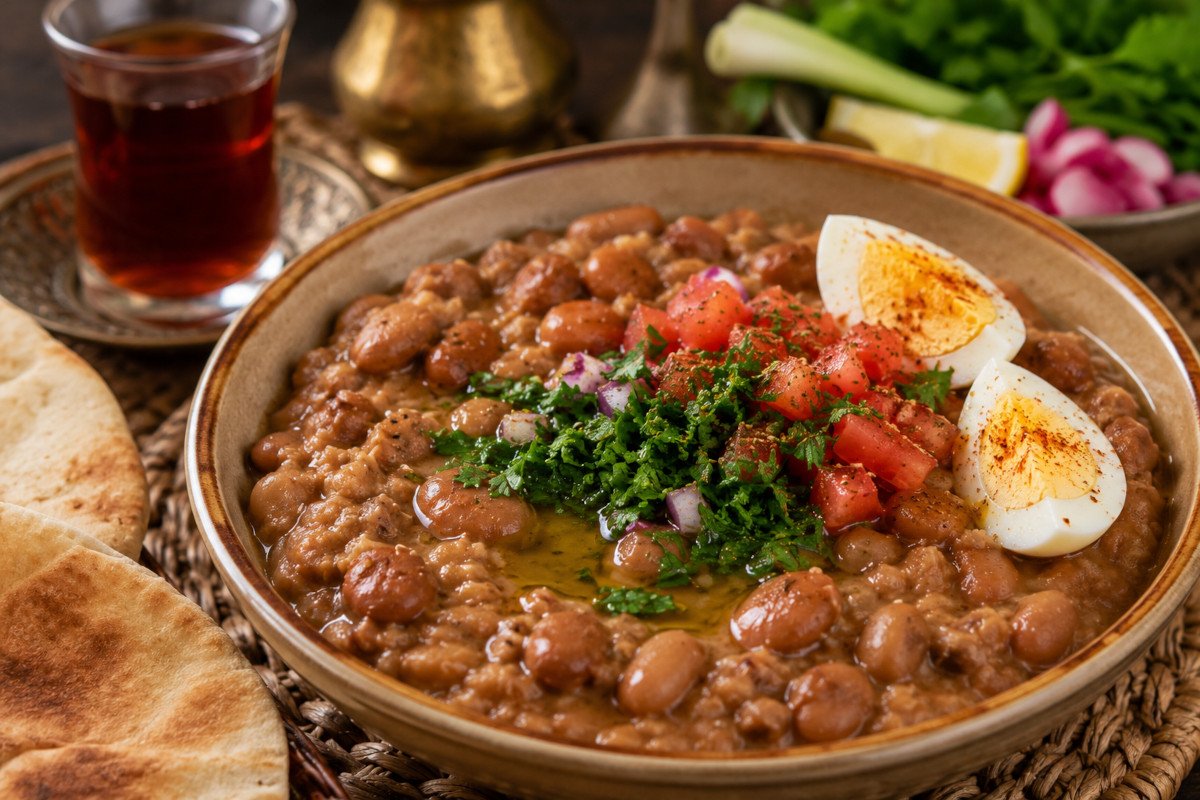
A slow-simmered fava bean dish, mashed and dressed with olive oil, lemon, garlic, and cumin, eaten across Egypt and much of the Levant as a breakfast staple. It’s a strong contender for one of the oldest continuously eaten dishes in the world, with a history that connects directly back to ancient Egyptian civilization, long before most of the ingredients and dishes now considered “traditional” Middle Eastern cooking even existed.
A Dish That May Predate the Pyramids’ Neighbors by Millennia
Fava beans have been cultivated in the Nile Valley since antiquity, and archaeological and textual evidence suggests some version of a slow-cooked fava bean dish was part of ancient Egyptian diets for thousands of years, making ful medames a genuine candidate for one of the oldest dishes still regularly eaten in something resembling its original form. Some food historians and Egyptologists have pointed to evidence suggesting a fava bean-based dish existed in Pharaonic Egypt, meaning the basic concept behind what’s on breakfast tables in Cairo today may share a lineage stretching back to ancient dynastic Egypt, long before Islam, Christianity, or most of the culinary influences that later shaped the region even existed.
The name itself offers some insight: “ful” refers to the fava bean, while “medames” is generally understood to relate to the slow-burying or slow-cooking method — traditionally, the beans were cooked for many hours, sometimes overnight, in a large, narrow-necked clay pot called a qidra, buried in hot ashes or embers, allowing them to cook low and slow without constant attention, similar in spirit to how other slow-cooked, overnight dishes developed across various culinary traditions to accommodate practical constraints like limited fuel or labor.
Why the Slow Cook Matters
Unlike many bean dishes that can be rushed with a pressure cooker or canned beans, traditional ful medames benefits significantly from a genuinely long, slow simmer, which breaks the fava beans down into a soft, creamy texture while allowing their flavor to deepen considerably beyond what a quick-cooked version achieves. Dried fava beans, when cooked slowly over many hours, develop an earthy richness and a naturally thick, almost velvety texture once mashed, quite different from the flatter flavor of quickly boiled or canned beans. This is part of why many traditional home cooks and street vendors alike still prioritize slow cooking over convenience, even though canned fava beans offer a considerably faster shortcut today.
A Dish Built for Customization
While the base of ful medames — slow-cooked fava beans, olive oil, lemon, garlic, and cumin — stays fairly consistent, the dish is also known for how much individual customization happens at the table. Toppings and additions vary widely by household and region, commonly including chopped tomato, onion, parsley, a soft or hard-boiled egg, a drizzle of tahini, or a scoop of Egyptian white cheese, meaning the same base recipe can look genuinely different from one table to the next depending on personal preference.
The Recipe
Serves 4
Ingredients
- 2 cups dried fava beans, soaked overnight (or 2 cans of cooked fava beans as a shortcut)
- 4 cups water (if using dried beans)
- 3 cloves garlic, minced
- 3 tablespoons olive oil, plus more for serving
- 2 tablespoons lemon juice, plus more to taste
- 1 teaspoon ground cumin
- Salt, to taste
For serving (choose any combination):
- Chopped tomato, onion, and parsley
- Hard-boiled or soft-boiled eggs
- Tahini, for drizzling
- Warm flatbread
- Extra lemon wedges
Instructions
- Soak the beans. If using dried fava beans, soak them in plenty of water for at least 12 hours, or overnight, until softened and roughly doubled in size. Drain before cooking.
- Simmer slowly. In a large pot, combine the soaked fava beans with fresh water, enough to cover by a couple of inches. Bring to a boil, then reduce heat to low and simmer, covered, for 2 to 3 hours, until the beans are completely soft and starting to break down, adding more water if needed to keep them submerged. If using canned fava beans, simply heat them gently in a pot with a small amount of their liquid for about 10 minutes — you’ll skip the long simmer, though the texture and depth will be noticeably different from the slow-cooked version.
- Mash lightly. Using a potato masher or the back of a spoon, mash the beans lightly in the pot, leaving some texture rather than pureeing completely smooth — ful medames should have some bite, not be a fully smooth paste.
- Season. Stir in the minced garlic, olive oil, lemon juice, cumin, and salt. Adjust to taste, adding more lemon juice or salt as needed.
- Serve warm. Transfer to a serving bowl or divide among individual plates. Top with your choice of chopped tomato, onion, parsley, a boiled egg, and a drizzle of tahini or extra olive oil.
A Note on Beans
If you have the time, using dried beans and the full slow simmer genuinely does produce a noticeably richer, creamier result than the canned shortcut — this is a dish where the traditional method isn’t just about authenticity for its own sake, but produces a real, tastable difference.
Serving Suggestions
Ful medames is most commonly eaten for breakfast with warm flatbread for scooping, though it’s substantial enough to serve as a light lunch or part of a larger mezze spread at any time of day.
Ful medames connects a modern breakfast table directly to some of the earliest known food traditions in human history — proof that a genuinely good, simple dish doesn’t need reinventing to stay relevant for thousands of years.